

How much energy does AI use? Artificial intelligence is rapidly reshaping how businesses operate, but its growth comes with a hidden cost: energy. From training large language models to powering everyday applications, AI energy consumption requires immense computing power. That demand is straining both electricity grids and the data centers that support them.
Industry analysts estimate that U.S. electricity demand growth could accelerate at more than twice the forecast rate, largely due to AI power consumption. Data center energy consumption accounts for around 2 to 3 percent of the nation’s electricity, but that share is expected to climb quickly. Some utilities now project double-digit increases in demand over the next decade, reversing decades of flat consumption.

Why Does AI Use So Much Energy?
AI’s energy consumption stems from intensive computational requirements. Training large language models and running AI compute requirements across thousands of GPUs generates massive AI electricity demand. This generative AI energy consumption continues after deployment, as every user query requires processing power.
The impact is most visible in states like Georgia, Virginia, and Ohio, where clusters of new data centers are being built to serve AI-driven workloads. Local utilities are responding by investing in new transmission lines, natural gas plants, and renewable projects. For businesses, energy costs are becoming an increasingly important consideration in technology planning.
Energy-Efficient AI and Sustainable Solutions
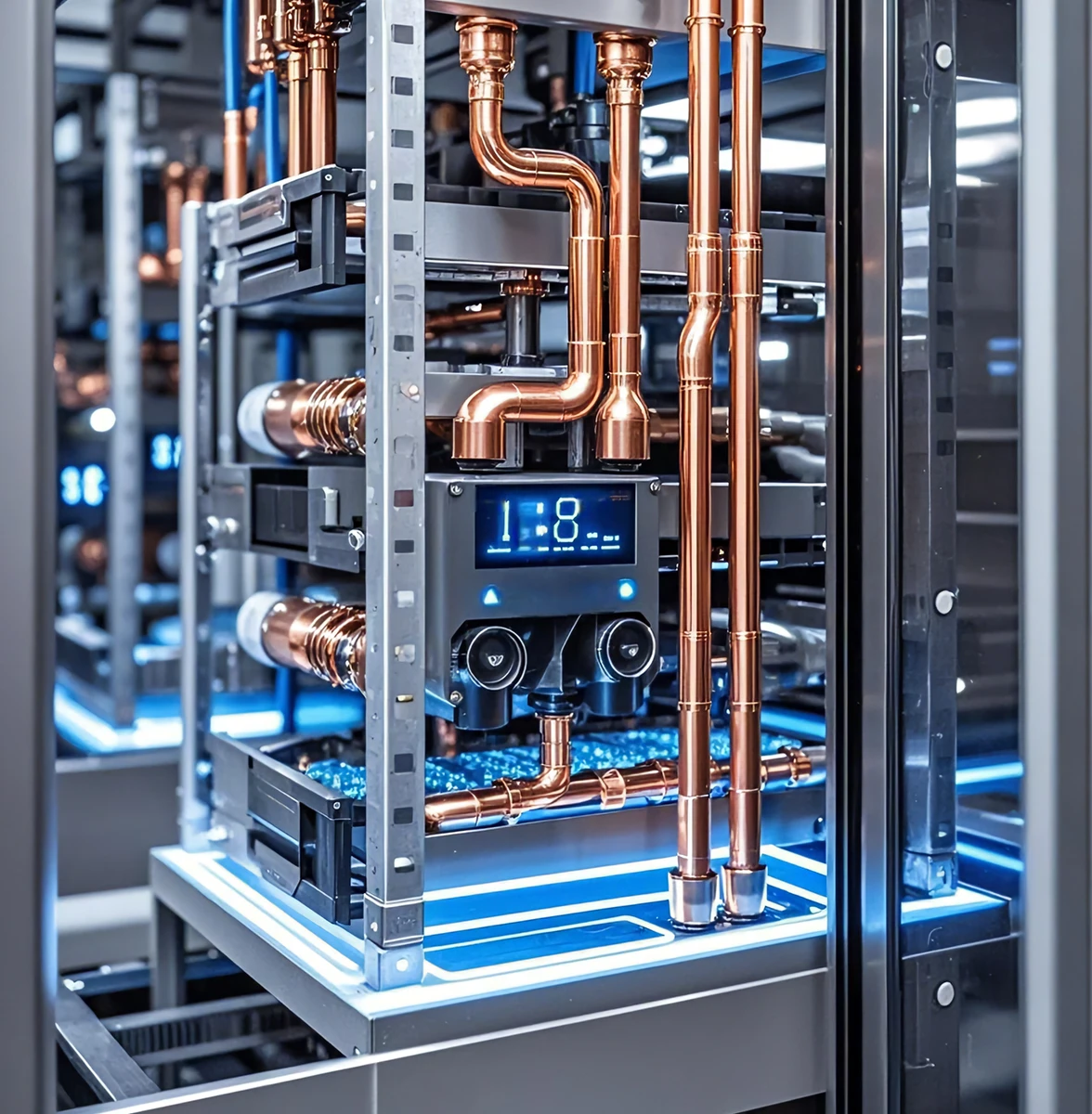
At the same time, developers are racing to make data centers more efficient in response to AI sustainability challenges. Some facilities are testing liquid cooling systems to manage heat from high-performance chips and reduce GPU energy use. Others are collocating near clean energy sources, such as hydropower in the Pacific Northwest, to lower AI carbon emissions while keeping costs competitive.
The push for sustainable AI includes implementing renewable energy for AI operations and developing energy-efficient AI technologies. Yet even with these innovations, experts caution that efficiency gains may not keep pace with demand. The question of “is AI energy use sustainable” remains central to infrastructure planning discussions.

The AI Environmental Impact and Policy Response
The rising AI energy impact has also entered policy discussions. Regulators are weighing how to balance grid stability, carbon reduction goals, and the economic opportunities created by data center expansion. Understanding the carbon footprint of AI and its broader AI environmental impact is becoming critical for both policymakers and businesses.
For utilities, the challenge is planning new capacity quickly enough to support growth without overbuilding. For businesses, the challenge is anticipating how energy pricing and availability will affect long-term technology strategies. Power grid strain in data center-heavy regions is prompting new approaches to infrastructure investment and energy planning.
How to Reduce AI Energy Consumption
Despite these hurdles, companies see significant opportunity. AI can improve industry productivity, from automating routine back-office tasks to accelerating product development. As adoption grows, however, the connection between digital innovation and physical infrastructure is becoming impossible to ignore.
Organizations looking to reduce AI energy consumption can optimize workloads, choose energy-efficient cloud providers, and schedule intensive computing during off-peak hours. The AI energy demand challenge requires collaboration between technology providers and energy suppliers to develop practical solutions.

The Future of AI Infrastructure
The future of AI will depend not only on breakthroughs in algorithms and hardware but also on how effectively the energy sector adapts. Collaboration between utilities, data center operators, and enterprise users will be critical. For decision-makers investing in AI, focusing on AI infrastructure and energy trends will be as important as following the latest software advancements.
According to the International Energy Agency (IEA) and other research organizations, data center energy consumption could continue rising significantly as AI adoption accelerates globally. This makes energy efficiency in data centers a top priority for the industry.
What This Means for You
- Energy Planning: Businesses and contractors may see shifts in electricity pricing or availability in regions with significant data center growth. Factoring energy considerations into long-term planning could help manage costs.
- Infrastructure Opportunities: Clients in technology and engineering sectors can expect continued investment in infrastructure, opening opportunities for projects related to energy, facilities, and system design.
- Efficiency Strategies: Across industries, the expansion of AI highlights the importance of energy efficiency strategies, whether in IT operations or broader organizational planning.
As data centers expand, energy planning will remain a central part of how industries adapt to this technological transformation. Understanding AI power consumption patterns and their impact on electricity demand will be essential for successful AI implementation and sustainable growth.

More from this Author

PDS Engages in Colorado’s Aerospace Sector
Colorado has long been a driver of aerospace and defense innovation. On April 8th, PDS contributed to this legacy at...
READ MORE
How Millennials Are Shaping the Modern Workforce
Millennials entered the workforce during an unusually complex period. They faced multiple, overlapping disruptions: economic recessions, evolving technologies, terrorism, social...
READ MORE
Why AI Investment Expectations Are Being Recalibrated
IntroGlobal AI spending is projected to exceed $360 billion this year, but something fundamental has shifted. Leaders who rushed to...
READ MORE