

How Engineering Staffing Agencies Support Complex Product Development
Complex product development doesn’t slow down for talent gaps. When a critical engineering role goes unfilled or is filled with the wrong person, timelines slip, budgets stretch, and delivery suffers. That’s why more product-driven organizations are turning to an engineering staffing agency not as a last resort, but as a strategic part of how they build and scale their teams.
Here’s how the right engineering recruitment partner accelerates product development, and what to look for when choosing one.

The Engineering Talent Challenge Isn’t Getting Easier
Before understanding how engineering staffing agencies help, it’s worth understanding why they’ve become so essential. The 2026 engineering labor market is defined by high demand for skilled talent and a persistent shortage of qualified candidates, with some estimates putting the ratio at three engineering jobs for every one qualified candidate.
Nearly 50% of engineers in the U.S. are age 50 or older, while hiring demand is expected to increase 13% by 2031. For product teams managing complex development cycles, whether in manufacturing, aerospace engineering, architecture staffing, or software development, waiting months to fill a specialized role isn’t viable.
A specialized staffing agency exists to close that gap faster and with greater precision than most internal human resources functions can achieve on their own. The anticipated SpaceX IPO is expected to further tighten the market, as a wave of aerospace and engineering professionals reaching liquidity may accelerate retirements, removing experienced talent from the active workforce at a critical time.
1. Faster Access to Specialized Engineering Talent
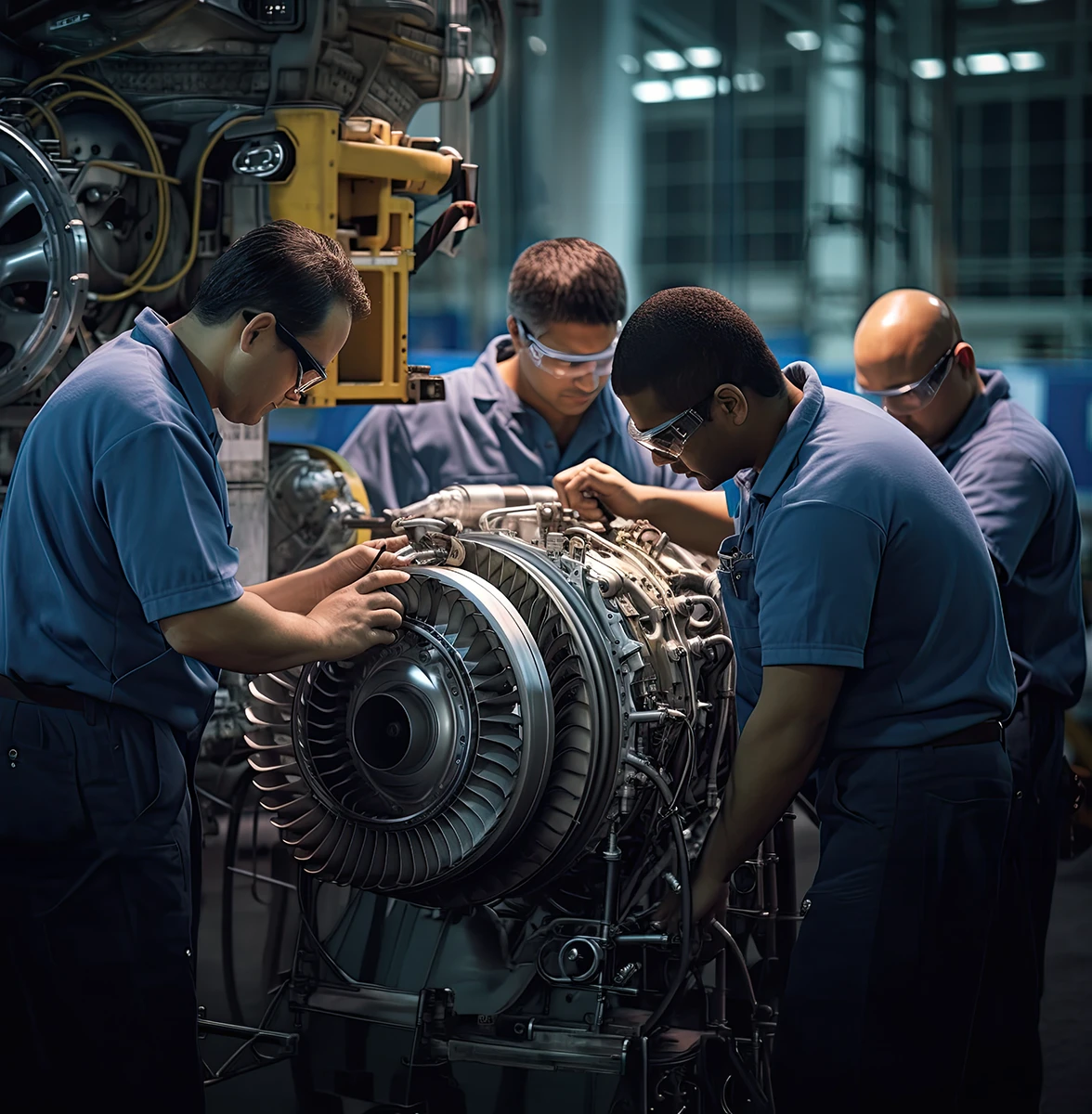
The most immediate value an engineering staffing agency delivers is speed. Internal hiring teams are often generalists. Engineering recruiters are specialists, they maintain active relationships with engineering professionals across disciplines including mechanical engineer, electrical engineer, manufacturing engineer, controls engineer, and industrial engineer roles, including passive candidates who aren’t actively conducting a job search.
For complex product development, where specific expertise is often tied to a defined phase of the project, prototype, integration, testing, and launch, speed directly protects your delivery timeline. Whether you need manufacturing engineering support or architecture staffing for a long-horizon infrastructure program, experienced engineering recruiters in California, Colorado, and across the country can significantly compress the hiring process.
2. The Right Expertise at the Right Phase
Product development is rarely linear. Different phases require different engineering disciplines, and locking yourself into a single fixed team from day one can create bottlenecks as the project evolves.
Engineering recruitment services give product organizations the flexibility to bring in the exact expertise needed at each stage. Need a mechanical engineer for hardware development, then a software engineer for integration? A strong staffing agency can staff both, sequencing placements to match your roadmap rather than a generic org chart.
This phase-matched approach keeps the team lean where it needs to be and adds depth where the work demands it. It’s one of the most underutilized staffing solutions available to product leaders managing complex development programs.


3. Reducing the Risk of a Costly Mis-Hire
In complex product development, a mis-hire isn’t just a human resources problem; it’s a delivery problem. Bringing on an engineer who lacks the specific technical background for your product’s architecture or regulatory environment can set a project back by months.
Engineering staffing agencies reduce this risk through deep technical vetting. The best recruitment services firms screen not just for credentials, but for hands-on experience with the specific tools, platforms, and compliance standards your project requires. Candidates arrive pre-screened for both technical competencies and team compatibility, ready to contribute from day one rather than requiring months of ramp time.
For job seekers and job candidates alike, this vetting process also ensures a stronger match between the engineering professional’s skills and the demands of the role, improving retention and performance on both sides.
4. Flexible Staffing Solutions That Match Project Reality
Complex product development budgets don’t always support full-time headcount growth. Engineering staffing services offer flexible engagement models- contract, direct hire, and contract-to-hire; that allow product organizations to match their staffing investment to the actual scope and duration of the work.
Contract engineering roles are ideal for time-boxed project phases, surge capacity during crunch periods, or highly specialized skills needed for a single development milestone. Direct-hire engineering placements make sense for core roles that require long-term ownership of a system, platform, or product line, whether that’s a manufacturing staffing need on the plant floor or a senior project manager overseeing a multi-year program. Contract-to-hire bridges the gap when you want to evaluate fit in real working conditions before making a permanent commitment.
This flexibility is especially valuable in manufacturing, where production demands shift quickly and the ability to scale engineering capacity up or down can be the difference between hitting a launch date or missing it.


5. A Staffing Partner That Understands Engineering, Not Just Recruiting
Not all staffing agencies are built the same. General-purpose firms can source talent broadly, but engineering product development has unique requirements: technical depth, domain familiarity, and an understanding of how engineering teams actually work.
The best engineering staffing agencies bring hiring solutions that go beyond resume matching. They understand how product development cycles work, what different engineering disciplines require, and how to evaluate candidates against the specific demands of complex technical environments. Strong collaboration between engineering leaders and recruiters directly improves hiring outcomes, and that collaboration only works when the staffing partner genuinely understands the work.
When evaluating an engineering staffing agency, look for demonstrated experience across your specific engineering disciplines, a structured technical vetting process, a clear job description review process, and a proven track record supporting complex product and manufacturing programs.
The Bottom Line
Engineering staffing agencies don’t just fill seats; they protect delivery timelines, reduce hiring risk, and give product development teams the flexibility to bring in the right engineering talent at exactly the right moment.
In a talent market where demand for engineering professionals continues to outpace supply, having a specialized engineering recruitment partner isn’t a nice-to-have. For organizations managing complex product development across manufacturing, software, aerospace, or infrastructure programs, it’s a competitive advantage.
