


EmergingIT & Engineering Staffing Trends
The technical staffing landscape is shifting faster than at any prior point in the past decade. AI is reshaping which skills are scarce, how recruiting work gets done, and what clients expect from staffing partners.
At the same time, structural labor market dynamics — tight supply in specialized engineering fields, the maturation of hybrid work norms, and growing demand for cleared personnel — are creating predictable constraints that organizations need to plan around. Here is what PDS is tracking as the most significant trends shaping 2026.
Six Trends Defining the 2026 IT & Engineering Talent Market
The staffing dynamics shaping 2026 aren’t isolated events — they’re compounding pressures. Understanding each one individually is the starting point for building a hiring strategy that actually works.
1. AI Fluency Is Now a Baseline Expectation
The shift from “can you use AI tools” to “we assume you do” has happened faster than most organizations anticipated. Technical candidates who are not fluent with AI-assisted development (Copilot, Cursor, and similar tools) are at a material competitive disadvantage — not because the tools are difficult, but because those who use them effectively work significantly faster and produce meaningfully better first drafts. PDS evaluates AI fluency as a standard screening dimension for most technical roles, not as an optional differentiator.


2. Enterprise AI Deployment Is Driving a Second Wave of Demand
The first wave of AI talent demand (2022–2024) was driven by experimentation and pilots. The second wave — the dominant pattern in 2025–2026 — is driven by deploying AI at production scale. This requires different talent: less researcher orientation, more production engineering orientation. The most in-demand profiles are ML engineers who understand inference optimization and model serving, data engineers who can build reliable AI pipelines, and AI platform engineers who enable the broader engineering organization to leverage AI capabilities.
3. Recruiting Itself Is Being Transformed — Creating a Paradox
AI has made high-volume recruiting cheaper and faster, but it has simultaneously made relationship-based recruiting more valuable. The volume of recruiting outreach received by the average technical candidate has increased significantly while signal quality has decreased — most of it is templated and impersonal. Technical candidates who receive ten AI-generated InMails per week have become very good at deleting them. A message from a recruiter who genuinely understands their background cuts through in a way that volume outreach never will.

4. The Cleared Talent Market Is at Peak Competition
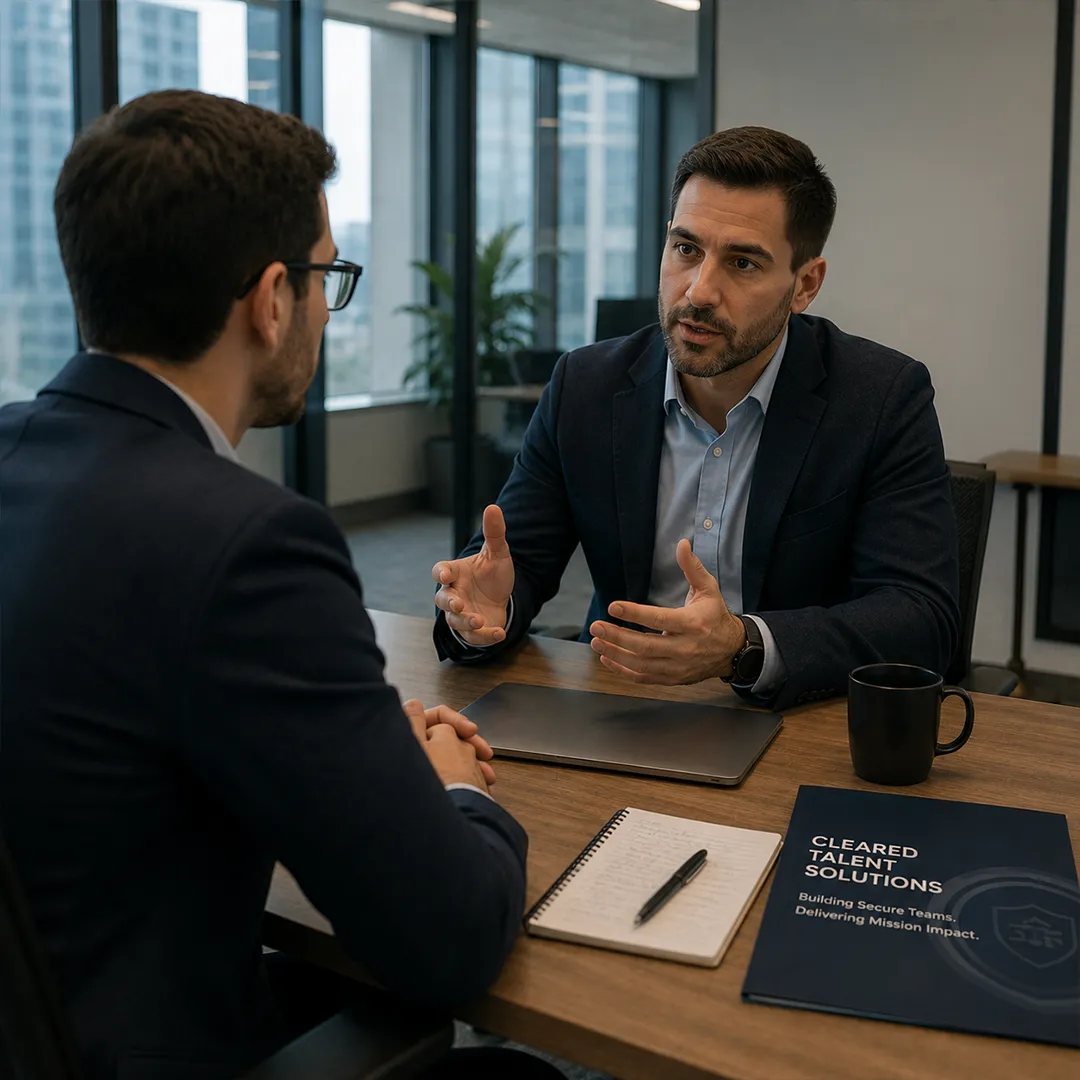
Defense spending increases, commercial space program expansion, and federal AI and cybersecurity initiatives have simultaneously driven demand for cleared technical talent to levels that exceed the cleared workforce’s capacity to respond. The cleared talent pool is not easily expandable — new clearance investigations take time regardless of demand. Organizations competing for cleared talent in 2026 need to plan 12–18 months in advance for roles requiring new investigations. Programs that maintain cleared candidate pipelines as long-term relationships have a material competitive advantage.
5. SOW and Outcome-Based Workforce Models Are Growing
Finance and procurement teams have become increasingly sophisticated participants in staffing decisions. As cost predictability becomes a higher priority, demand for SOW and outcome-based workforce models has grown at the expense of pure time-and-materials staffing. Organizations are more frequently scoping defined IT deliverables under fixed or NTE pricing rather than running open-ended T&M engagements. Staffing partners who can execute only T&M models are increasingly at a disadvantage.


6. Geographic Talent Distribution Has Stabilized Post-Pandemic
The fully remote era of 2020–2022 has settled into a more predictable hybrid equilibrium. Most technical programs now expect meaningful on-site presence — typically 2–3 days per week for most roles, more for manufacturing, test, and integration work. The shift toward hybrid work has provided some relief for programs outside major talent hubs, but the core engineering workforce for most production and integration programs remains geography-dependent.
The Bottom Line
The organizations that navigate 2026’s technical hiring environment most effectively are those planning 12–18 months ahead, building staffing partnerships before they’re urgent, and thinking deliberately about which roles should be permanent, contracted, or scoped as SOW deliverables.
Talk to PDS about how these trends apply to your specific program context and hiring environment.
