

American manufacturing is experiencing a skills crisis that has been building for two decades and is now acutely felt on production programs across aerospace, defense, industrial equipment, and advanced manufacturing. The combination of an aging skilled workforce, a long-term decline in vocational training infrastructure, and the accelerating technical complexity of modern manufacturing processes has created a structural mismatch between available workers and available positions that won’t resolve on its own.
For companies that need to ramp production, maintain complex capital equipment, or build precision components to tight tolerances, that gap has direct operational consequences, and manufacturing staffing is one of the most effective tools available to address it.
What’s Actually Driving the Gap
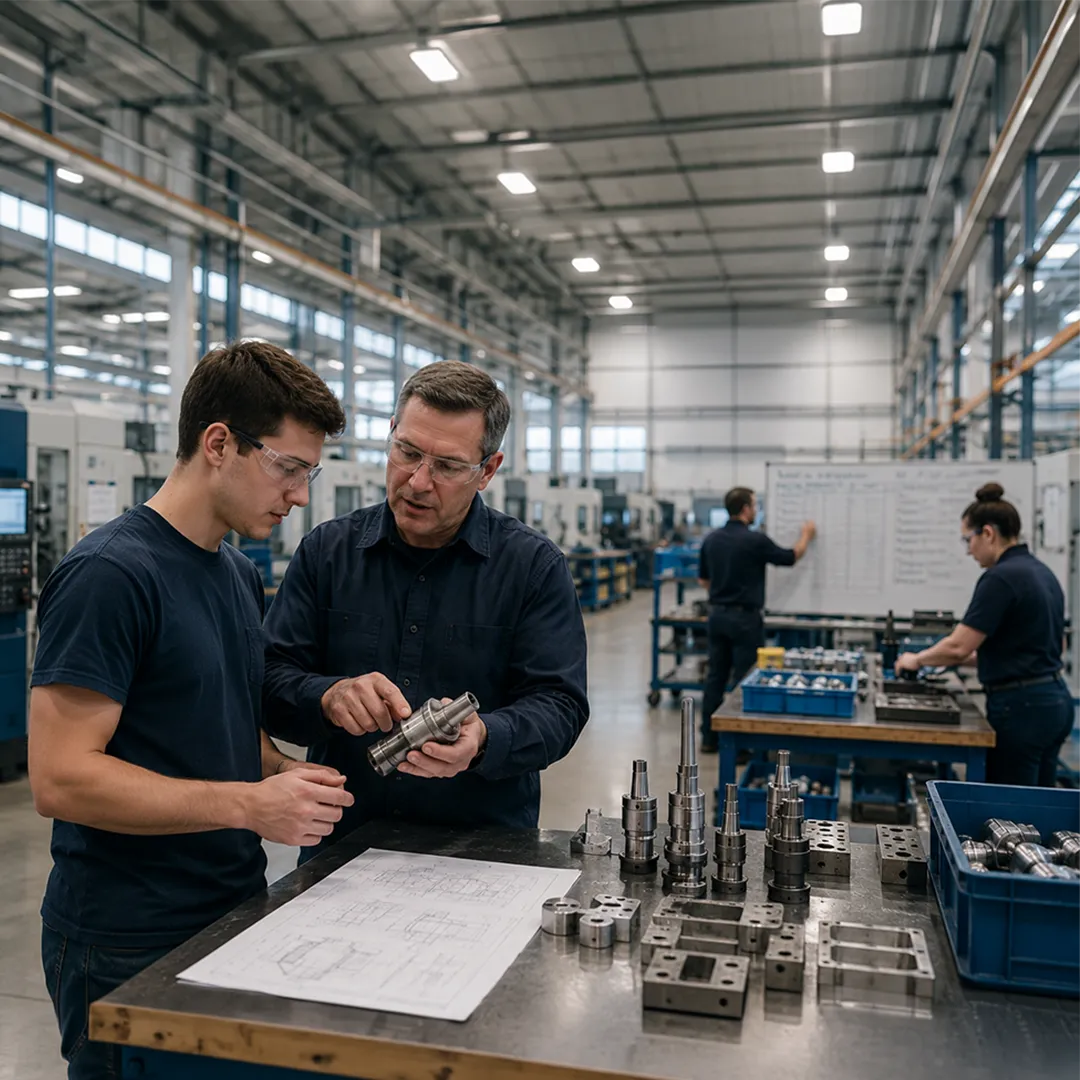
The manufacturing skills gap is not primarily a shortage of people willing to do the work. It’s a shortage of people with the specific technical skills, certifications, and hands-on experience that modern manufacturing demands. CNC machining to tight tolerances, composite material layup and cure, precision electronics assembly, non-destructive testing, in-process quality inspection, these require real training and accumulated experience, not just physical presence.
The vocational training pipeline that historically produced these workers, trade schools, community college technical programs, apprenticeship programs sponsored by manufacturers, contracted significantly over a 20-year period as higher education became the default post-secondary path and manufacturing was treated as a declining sector. The sector’s subsequent revival, particularly in aerospace and defense manufacturing, found a training pipeline that had been allowed to atrophy.
The workforce that didn’t develop over those years doesn’t exist to hire. The programs most affected are those that need precision skills at volume.
The Roles Most in Demand
CNC Machinists and Machine Operators
Operators with multi-axis CNC experience (3-axis, 4-axis, 5-axis) and G-code programming capability, who can hold tight dimensional tolerances on production hardware, are among the most consistently in-demand roles in manufacturing. Companies routinely wait 3–6 months to fill these positions through standard channels, and the candidate pool for senior operators with aircraft or defense hardware experience is genuinely thin.
Electronics Assembly Technicians
Printed circuit board assembly (IPC-A-610), cable harness fabrication (IPC/WHMA-A-620), and electromechanical assembly require certified, trained hands. IPC certifications are frequently required by aerospace customers and are not widely held outside of programs that have invested in training their existing workforce. Finding technicians who arrive with these certifications saves months of training time.
Composite Fabricators and Assemblers
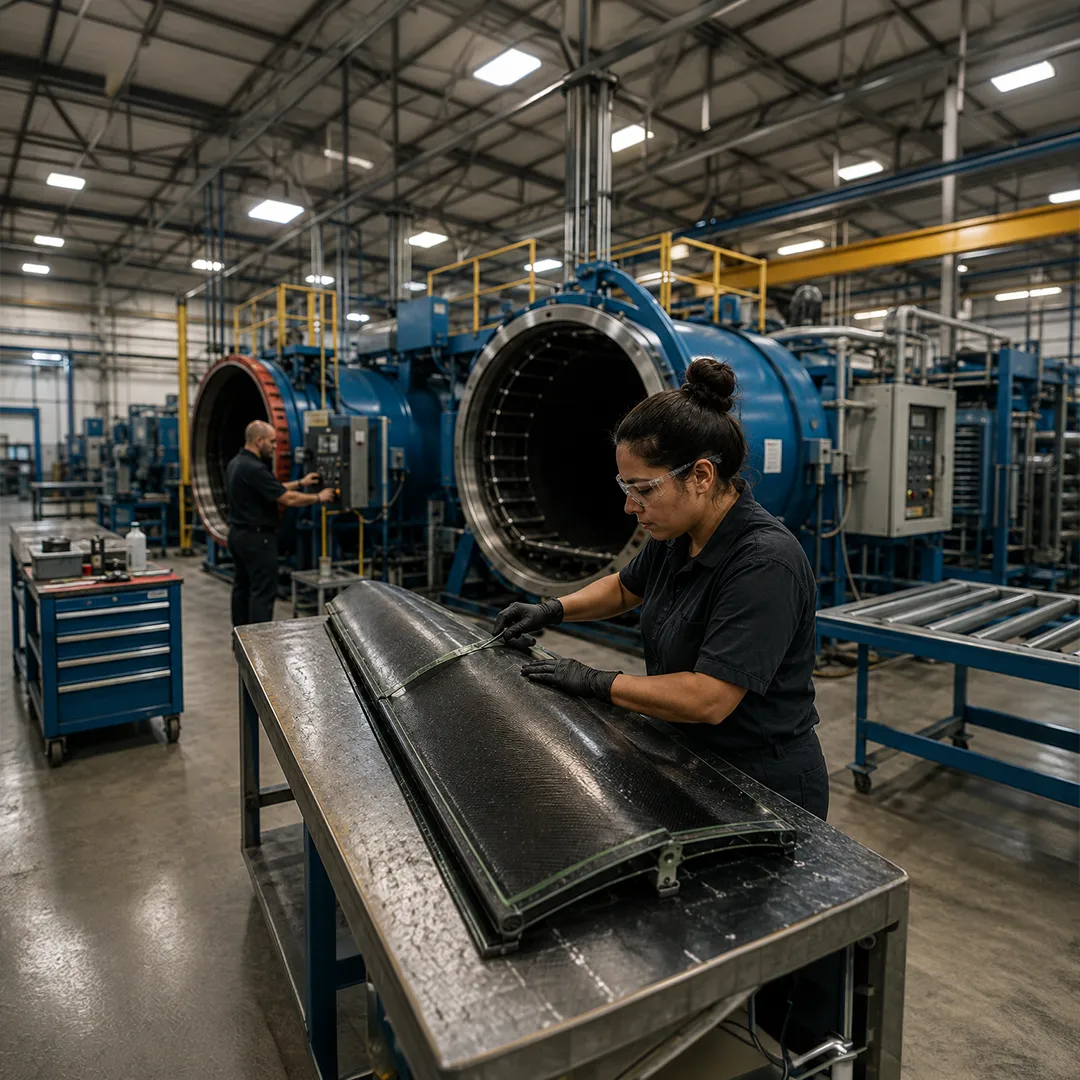
Hand layup technicians, autoclave operators, and associated NDT inspectors with composite inspection certification are in high demand in Western U.S. aerospace manufacturing, and the candidate pool in the major hubs (Los Angeles, Huntsville, the Pacific Northwest) is smaller than it appears. Programs that need to staff composite production lines consistently find fewer qualified candidates than their production plans assumed.
Quality Technicians and Inspectors
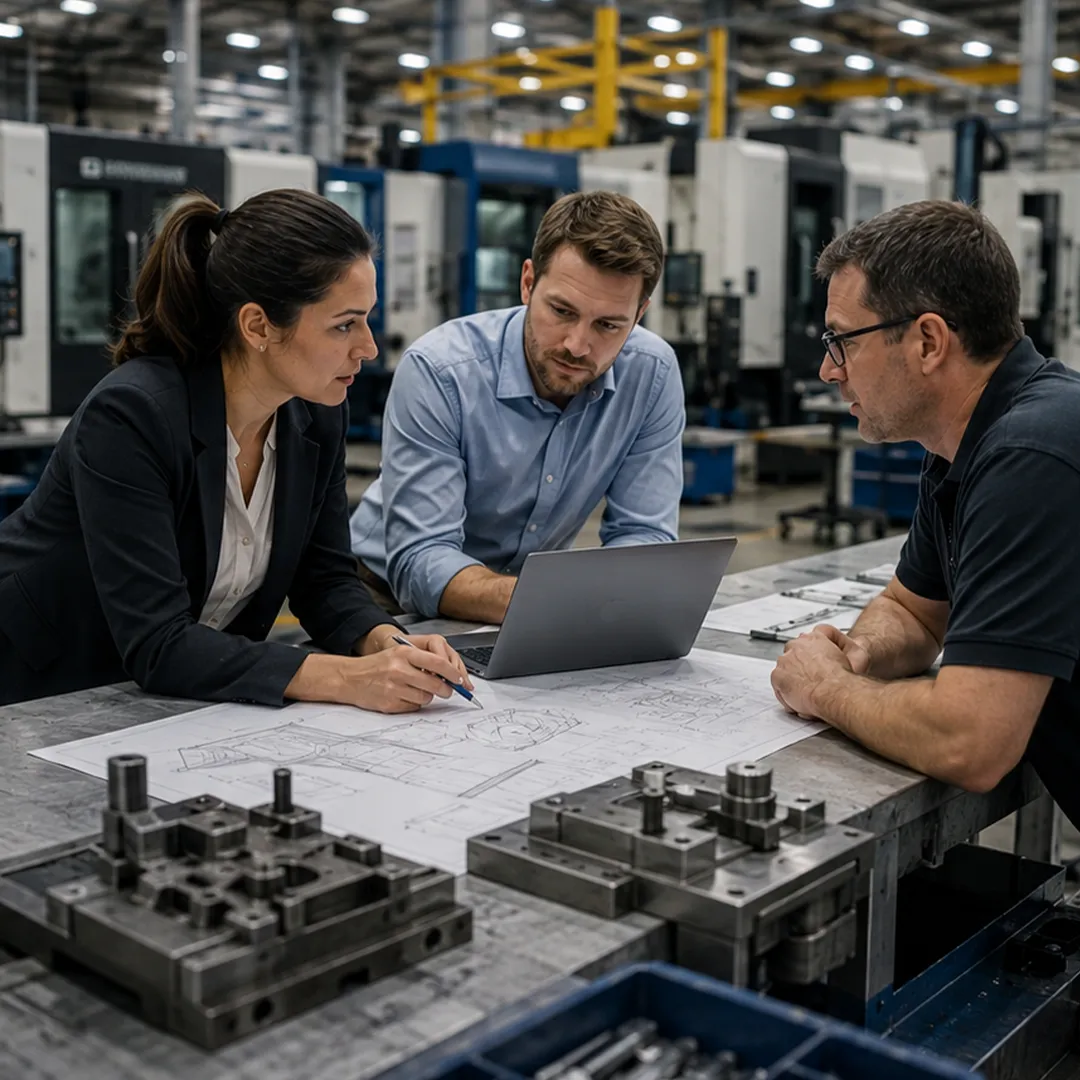
CMM operators, first article inspection specialists, and in-process quality technicians are critical quality functions that require both precision instrument skills and an understanding of the quality system environment. AS9100 Rev D and ISO 9001 programs add requirement layers that make baseline inspection skills insufficient, the technician needs to understand the quality management system context, not just the metrology.
Manufacturing Engineers
Process design engineers, tooling engineers, and DFM-focused engineers who can work across design teams, production teams, and suppliers are consistently among the hardest engineering profiles to fill. These engineers must bridge multiple domains, understanding design intent, production capability, tooling constraints, and supplier qualification, and the combination of breadth and depth takes years to develop.
Why Specialized Manufacturing Staffing Agencies Matter
Generalist staffing agencies, those that cover office staff, customer service, logistics, and manufacturing through the same recruiters, typically don’t have genuine candidate networks for precision manufacturing roles. They have job board access and database volume. What they typically don’t have is the relationship with the CMM operator who left their last program nine months ago and is available, or the composite technician who has Level II NDT certification and is looking for a better program fit.
Specialized manufacturing staffing agencies maintain candidate networks built specifically within manufacturing communities. Their recruiters have typically spent years in the sector, understand what certifications actually mean and how to verify them, and can screen for the hands-on capability that résumés describe but don’t always reflect.
For aerospace programs with AS9100 requirements, this distinction matters enormously. A placed quality technician who turns out not to understand AS9100 requirements creates a quality system finding, not just a placement failure.

Contract vs. Direct Hire for Manufacturing Roles
Both models have their place in manufacturing staffing:
Contract works well for production surge periods, program ramp phases before the headcount is committed, and skill-specific needs that may not be permanent. The manufacturing model often involves significant contract workforces during production ramp, with conversion to direct hire for the candidates who prove out.
Direct hire makes more sense for core quality functions, senior manufacturing engineers whose institutional knowledge about your processes is a long-term asset, and roles where continuity in the production environment is critical to quality outcomes.
PDS places manufacturing technicians, quality engineers, manufacturing engineers, and production support staff across aerospace, defense, energy, and industrial manufacturing programs. Our manufacturing recruiters understand the certifications, process environments, and quality system contexts that make a manufacturing placement successful. Talk to our manufacturing staffing team about your current workforce gaps.
