From Senior Developer to Principal Engineer:
Mark Sheffield on Consulting, LLMs, and Building a Career That Moves Forward
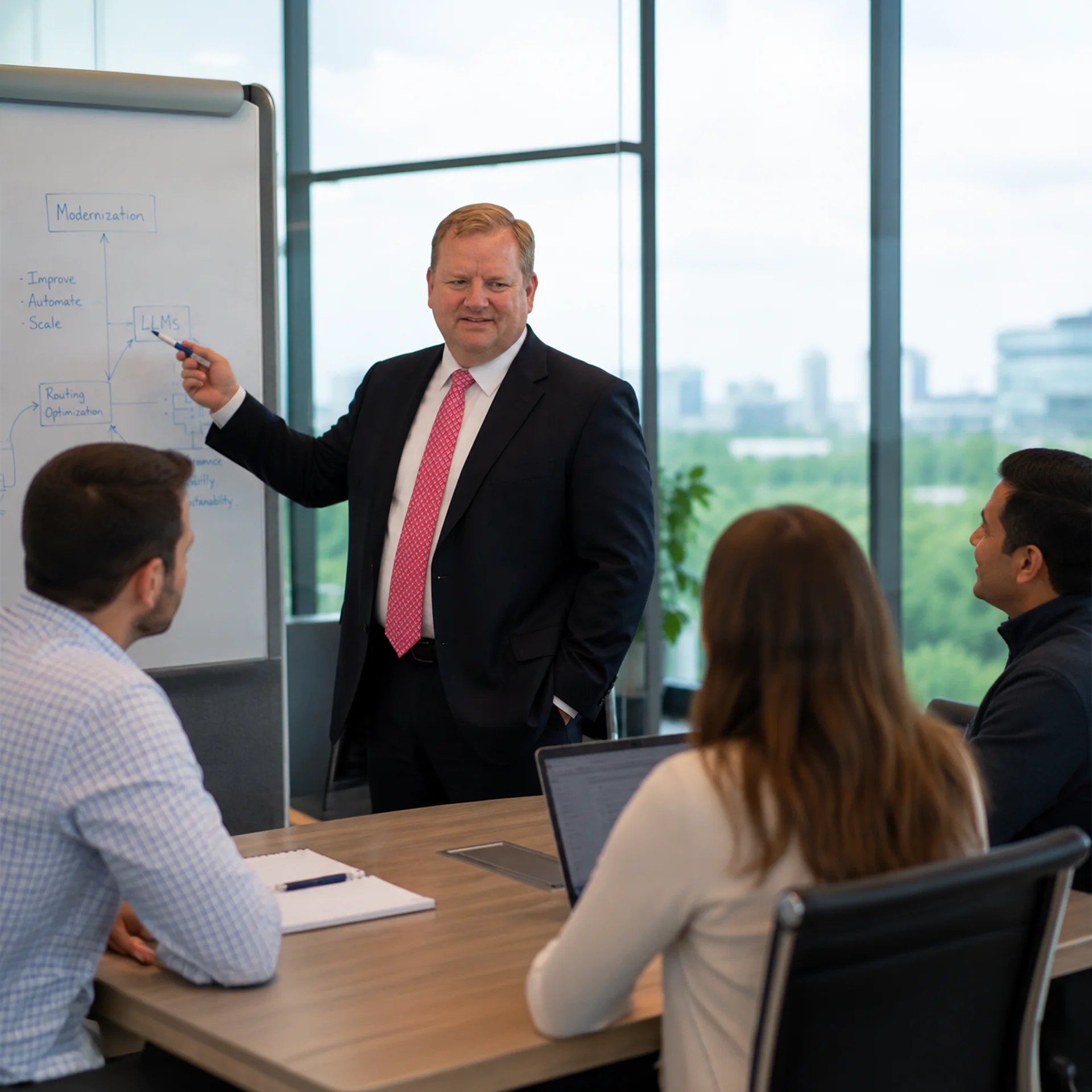
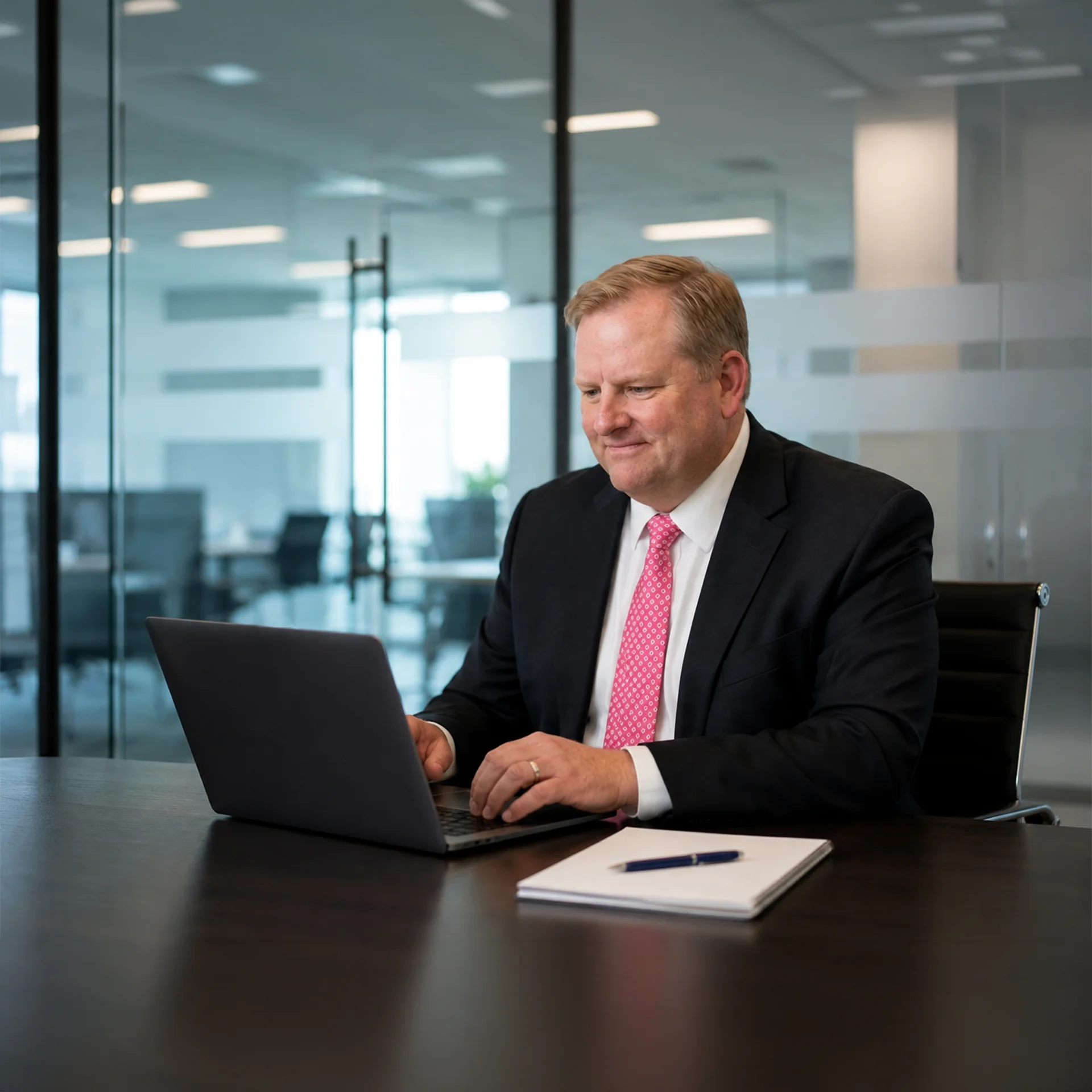
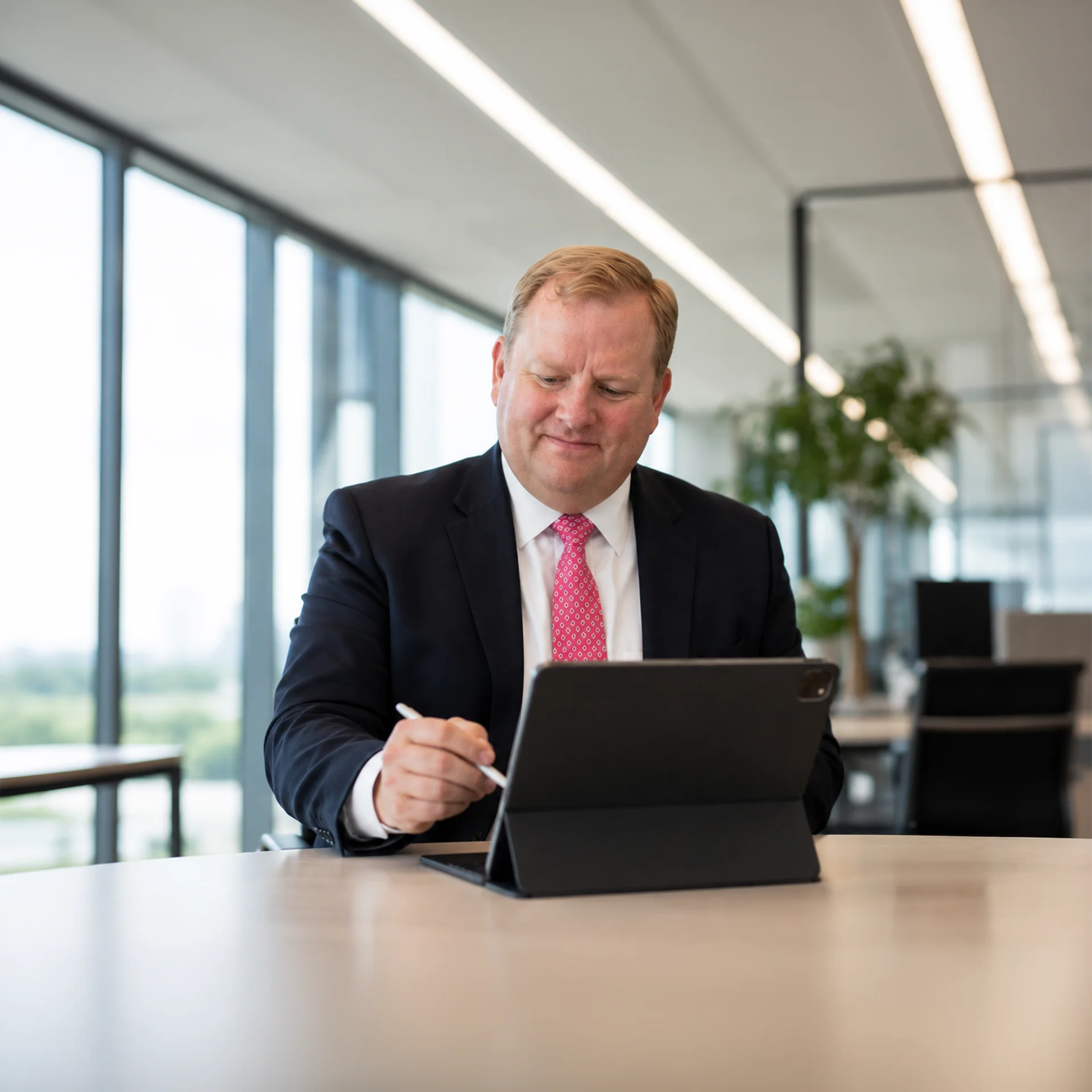
Mark Sheffield didn’t set out to become a principal software engineer by playing it safe. Over more than four years as a consultant placed through PDS, he’s done the opposite, diving into complex geolocation systems, helping modernize aging infrastructure, and more recently, exploring what large language models (LLMs) can do for routing logic that traditional algorithms struggle with.
His story is a useful one for any software professional weighing a consulting path: what it actually looks like to grow when you’re embedded at a client long-term, how to stay technically sharp without burning out, and why the soft stuff, being someone people want to work with, matters more than most engineers want to admit.
A Complex System, Constantly Evolving
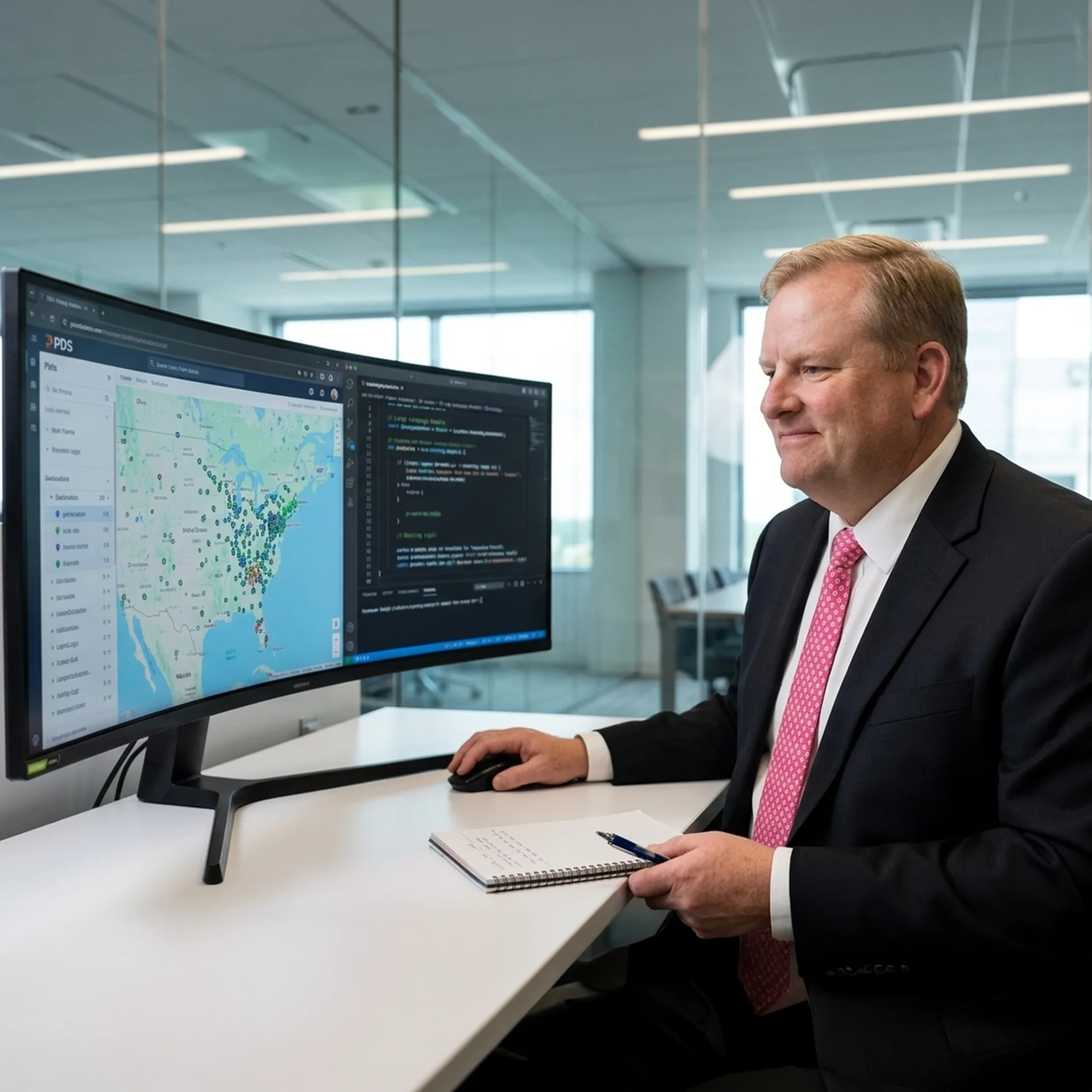
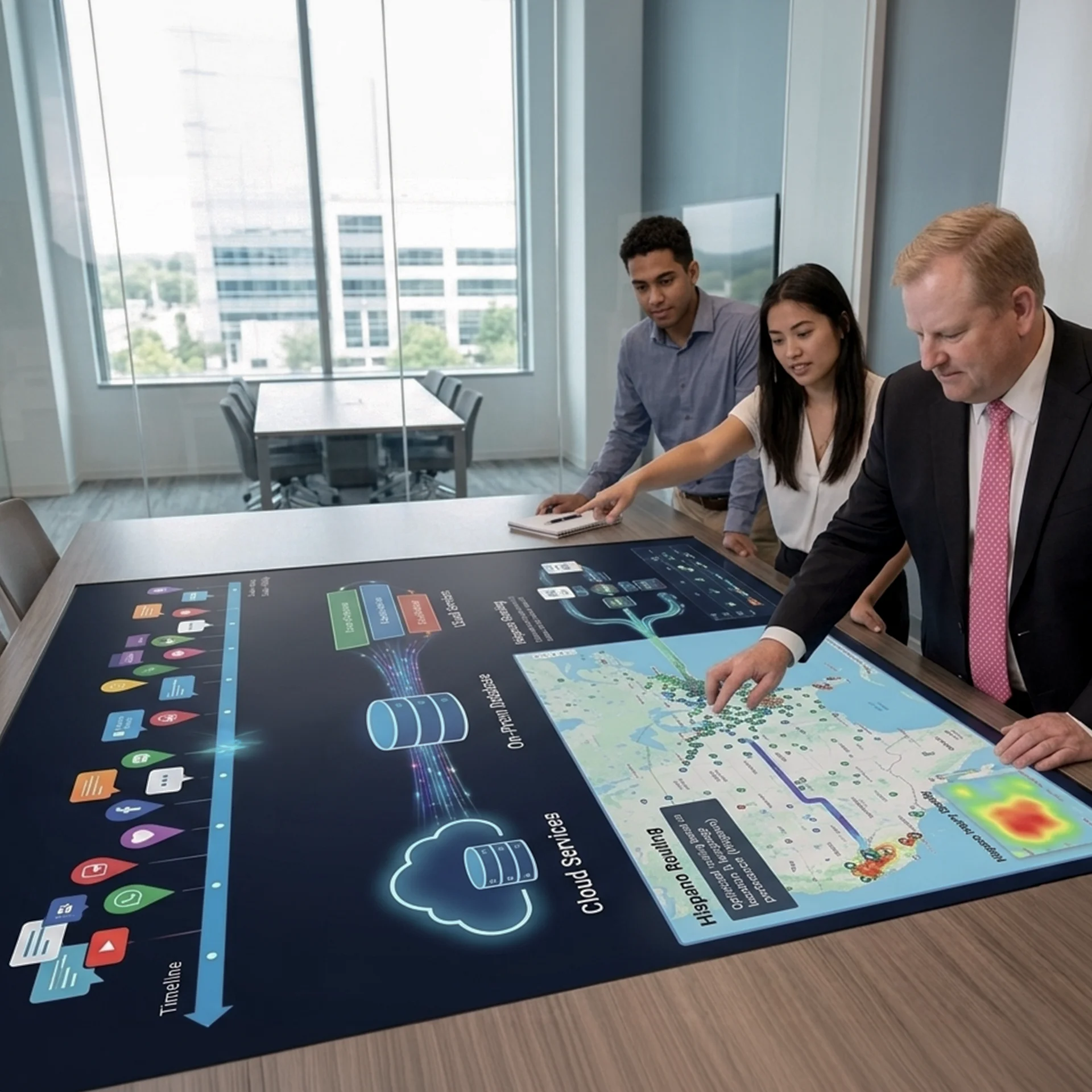
Mark’s primary engagement has been on a large-scale missionary inquiry platform, a system that processes leads submitted through websites and social media channels, then routes them to the right people using a combination of on-premise and cloud infrastructure. It’s the kind of system that looks simple from the outside but becomes surprisingly intricate the deeper you go.
“We build the platforms that help interested individuals connect with missionaries in their area,” he explains. “Processing inquiries submitted through a range of websites and social media channels using a mix of on-prem and cloud infrastructure.”
During his tenure, Mark has helped modernize the technology stack, deliver significant performance improvements, and refine the geolocation and routing logic that determines which inquiries reach which people. That last piece, accurate, real-time routing, is harder than it sounds, especially at scale.
Where LLMs Enter the Picture
The most recent chapter addresses something many engineering teams are wrestling with right now: how to use large language models not as a novelty but as a genuine solution to hard problems.
“Most recently, we’ve been evaluating how LLMs can help tackle some of the more complex routing scenarios,” Mark says. “It’s an exciting frontier for the system and the team.”
For a routing system that deals with edge cases, ambiguous inputs, and highly variable geographic contexts, LLMs offer a potential path forward that rule-based approaches have struggled to handle cleanly. It’s early-stage work, but it’s exactly the kind of technical challenge that keeps experienced engineers engaged.
“The last few years have been dominated by AI and LLMs, and I’ve leaned into that shift both in my day job and in side experiments.”
How Consulting Through PDS Changes the Day-to-Day
One thing Mark is clear about: the administrative and support side of consulting can quietly drain energy if it’s not handled well. With PDS, he says, it just isn’t an issue.
“Benefits and client support are handled seamlessly, so I’ve never had to worry about those pieces and can focus entirely on delivering for my client. Whenever I need something, the PDS team is responsive and helpful; that kind of support is a real gift as a consultant.”
That freedom to focus has compounding returns. When a consultant isn’t spending mental bandwidth on logistics, more of it goes toward solving real client problems. For Mark, that means being part of one of the most consistently productive teams in his department, delivering quality features sprint after sprint.
What It Takes to Succeed as a Consultant
Self-direction isn’t optional.
Mark is direct when asked what makes someone a good fit for consulting through PDS: “Self-direction and ownership are critical. PDS consultants are dropped into environments where they need to run with things, so technical depth combined with strong client-facing skills is essential. You have to be able to both build the solution and maintain a positive, productive relationship with the client.”
This two-sided requirement, technical excellence and relational intelligence, is one that many engineers underestimate when they first consider consulting. The ability to communicate clearly with stakeholders, manage expectations, and collaborate in ambiguous situations is just as important as writing clean code.
Be a problem solver, not a problem spotter.

One piece of career advice Mark keeps coming back to:
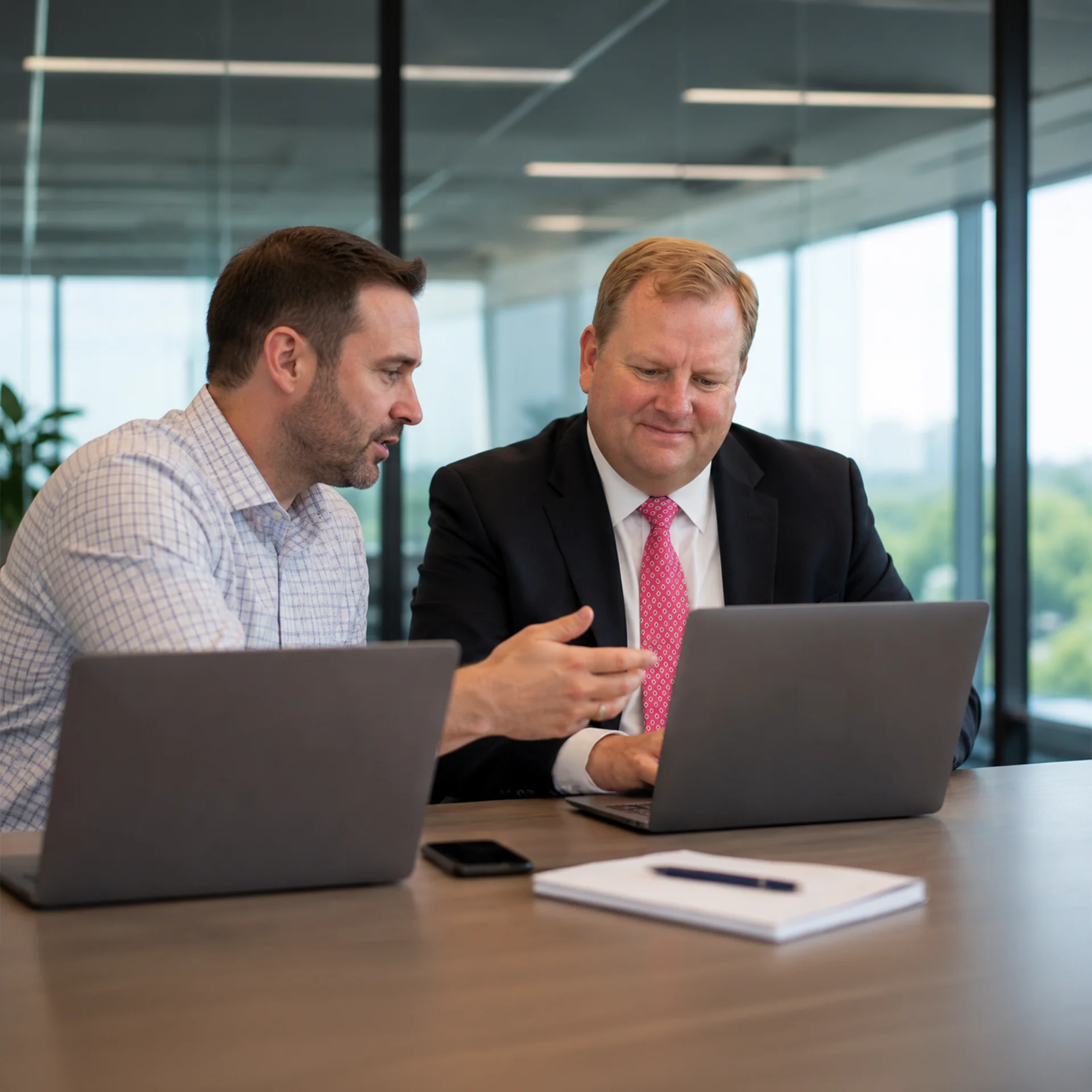
“Be a problem solver, not a problem spotter. Beyond that, be a team player and someone others genuinely enjoy working with. Jump in to help teammates when they need it, and don’t shy away from the hard problems; those are the ones that move your career forward.”
It’s advice that applies to consultants and full-time employees alike. Organizations have plenty of people who can identify what’s broken. What moves the needle, and what gets noticed, is being the person who rolls up their sleeves and fixes it.
Staying Current Without the Noise
With technology moving as fast as it is, especially in AI, the question of how to stay current is one every senior engineer faces. Mark’s approach is deliberately practical.
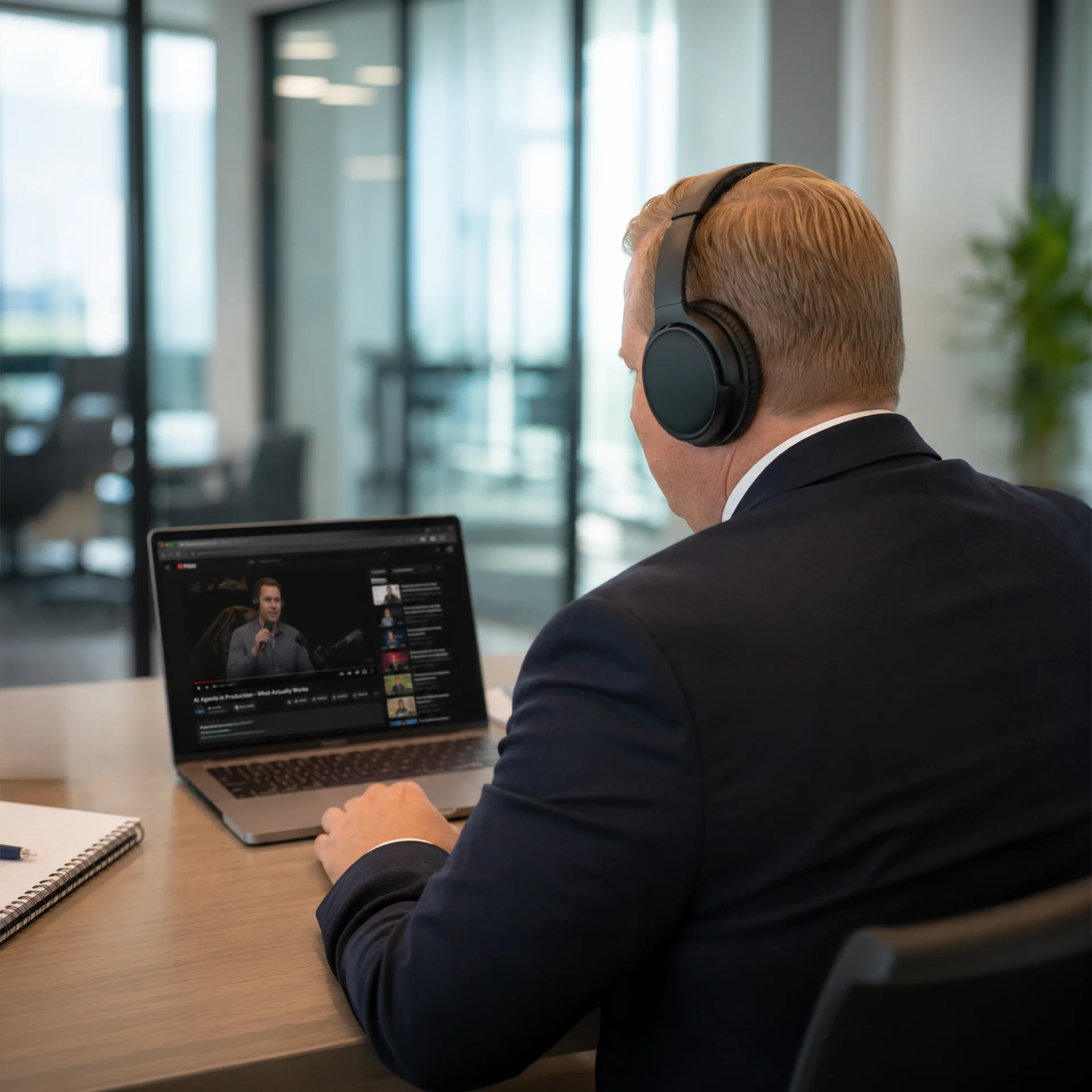
“I stay current through a mix of podcasts, YouTube, and hands-on experimentation, keeping an eye on where the software industry is heading and trying things out for myself.”
The emphasis on hands-on experimentation is worth noting. In a landscape flooded with opinions about AI, the engineers who actually build with the tools tend to develop more grounded intuitions about what works and what doesn’t. Mark’s work evaluating LLMs for routing is a direct extension of that habit.

On Mentorship: You Don’t Always Have to Ask
Mark’s take on mentorship is a little unconventional. Rather than framing it as formal relationships or scheduled sessions, he describes something more organic.
“I’ve been fortunate to work alongside some truly talented developers and architects, and letting them mentor me, often just by observing how they approached problems, has made an enormous difference in my career.”
This kind of ambient mentorship, watching how a senior architect breaks down a problem, how a lead developer handles a tense sprint, how someone communicates a tough tradeoff to a stakeholder, is available to almost anyone willing to pay attention. You don’t always need to ask for time on someone’s calendar. Sometimes you just need to watch carefully.
Networking, too, gets a practical framing: “Staying connected with past colleagues matters a lot, especially in today’s tough job market, where relationships often open doors that a resume can’t.”
The Bottom Line
Mark Sheffield’s career is a case study in what sustained focus looks like in software consulting. He’s spent years on the same complex system, not because he’s been stuck, but because there’s always more to improve, modernize, and build. He’s stayed technically relevant by experimenting early with the tools that matter. And he’s built the kind of team reputation, consistent, collaborative, willing to take on hard problems, that compounds over time.
For engineers considering the consulting path, or those already in it and wondering how to grow: the answer, if Mark’s experience is any guide, is less about finding the perfect opportunity and more about showing up fully for the one you have.