
Artificial intelligence is reshaping talent acquisition. It changes how recruiters handle candidate sourcing, screening, and ranking, all before a human reads a résumé. That efficiency brings real legal, ethical, and operational stakes employers can no longer ignore.
The conversation around AI recruiting has shifted. It’s not about whether companies will use AI recruiting software; they already are. The harder questions are: how do these tools make decisions? Who is accountable when things go wrong? What does your organization owe a job seeker who is filtered out by an AI algorithm before anyone views their qualifications?
Two recent lawsuits are forcing the recruitment industry to confront these questions publicly, and their implications reach far beyond Silicon Valley.


The Lawsuits Reshaping the Conversation
The case of Mobley v. Workday put “algorithmic discrimination” on the HR professionals’ radar. It challenged AI-based candidate screening under employment discrimination law, arguing that automated rejection systems can perpetuate the same biases that anti-discrimination statutes were written to prevent, just at machine scale and speed.
Then came the lawsuit against Eightfold AI, which took a different and arguably more provocative legal angle. Rather than arguing outright discrimination, the plaintiffs alleged violations of the Fair Credit Reporting Act (FCRA), the same federal law that governs your credit score and entitles you to know what information is being used to judge your financial trustworthiness.
The argument: if an AI tool generates a hiring ranking about you, ranking your predicted “fit,” your inferred skills, your likelihood of success, that looks a lot like a consumer report. And if it does, candidates may have a legal right to see it, dispute it, and correct errors in it.
This is a significant reframe. Both cases shift accountability upstream, away from the hiring manager and toward the AI screening tools and vendors that determine which qualified candidates ever reach a human recruiter.


The Data Problem Nobody Is Talking About Loudly Enough
Employers should know how most AI hiring tools work. They don’t just analyze the resume you submit. Many platforms build candidate profiles by scraping LinkedIn, public sites, social media, location data, and purchased datasets. They assemble a picture of you that you never consented to share for hiring.
That raises serious data privacy questions. And when those questions come up, employers may be surprised by how the liability flows.
The Liability Shift You Need to Understand
Most AI hiring tool vendors state in their privacy policies that they work as ‘customer-instructed’ data processors. This means if a privacy or discrimination issue arises, the employer, not the technology company, is mainly responsible. The tool’s creator builds the engine. The deploying company owns the road.
This is precisely why PDS approaches AI recruitment tool adoption deliberately rather than rushing to be an early adopter. When the liability for how an AI tool operates lands on the company using it, due diligence isn’t just good practice; it’s risk management.

Regulation Is Coming, The Only Question Is When
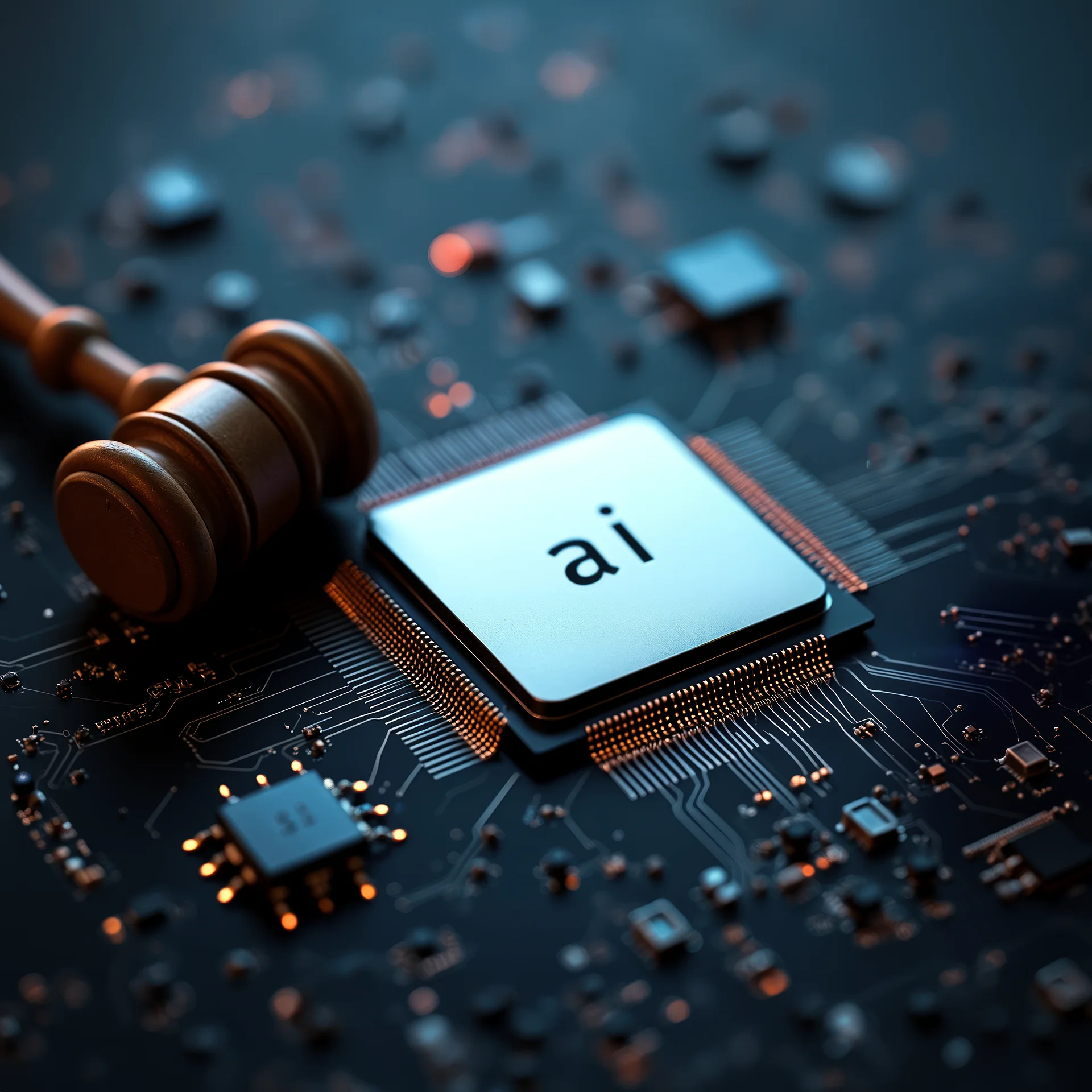
States are already moving. Colorado and New York have both passed laws about AI in employment. These laws require bias audits, transparency, and documentation. Colorado’s law isn’t fully in effect yet, due to executive activity and the pace of state action. But the direction is clear.
Whether it arrives via state law, federal regulation, or courts interpreting existing statutes like the FCRA and Title VII in new ways, employers should expect increasing requirements around:
- Independent bias audits of AI hiring tools
- Transparency disclosures when AI capabilities are used in candidate screening
- Documentation of how AI agents and automated systems made decisions
- Candidate recourse to question algorithmic outcomes
- Vendor accountability for candidate sourcing data origins
The companies that will be best positioned when these requirements formalize are the ones building governance frameworks now, not scrambling to retrofit them later.
The Explosion of Tools and the Transparency Gap
AI hiring tools have multiplied over the past year. Many were made to solve a real problem: how to quickly evaluate hundreds or thousands of candidates. That’s an operational challenge where AI can help.
But speed to market and quality design are different. Many tools were built by teams deep in machine learning, but with less focus on bias auditing and explainability. Now the marketplace is full of products that confidently rank candidates without being able to explain in clear human terms exactly why.

The Transparency Standard
A good AI hiring tool should clearly explain its scoring system. It should do so not only for the vendor’s engineers but also for employers and, increasingly, for candidates. If a vendor can’t explain exactly how their system scores a candidate, that’s a serious red flag.
Regulation, transparency, and audit calls will increase in this field. Companies with explainable, defensible systems will gain an advantage. Others will feel more legal and reputational pressure.
What This Means for Us and for You
PDS is watching this landscape closely, and our stance is deliberate. We will use AI; the efficiency and reach are too significant to ignore. But the choice of how we use it and which tools we trust with candidate data and decisions is serious.


Our Commitments as We Navigate This Landscape
- No Shadow AI. We don’t use unauthorized tools that operate outside our governance framework, and we don’t encourage their use. Every AI application in our workflow is known, evaluated, and monitored.
- Mindful inputs. We are deliberate about what data enters AI systems. The old principle applies: garbage in, garbage out, and in a legal context, sensitive data in can mean liability out.
- Fact-check everything. AI outputs are a starting point, not a conclusion. Human judgment and verification remain essential parts of our process.
- Documentation discipline. As regulatory requirements evolve, organizations with clean, thorough records will be far better positioned than those without them. We are now committed to documentation rigor.
- Vendor verification. We ask hard questions of our technology partners: Where does your data come from? How does your scoring system work? What are your biased audit results? And we verify what we’re told.
The mission of connecting talent with the right opportunities hasn’t changed. AI recruiting can help us do that better, but only with the governance and accountability this moment demands.
Key takeaways: Employers must be proactive in adopting transparent, auditable AI tools. Diligent data governance, accountability, and clear documentation are critical both for legal compliance and ethical hiring. Companies that prioritize thoughtful use of AI, rigorous vendor evaluation, and readiness for evolving requirements will be best positioned for future changes.
